Why Regular Health Check-Ups Matter: Diseases You Can Detect Early
 by
Many people visit a hospital only when they are feeling unwell. But healthcare is not only about treating illness after symptoms appear. Regular health check-ups can help identify certain health problems early, sometimes before a person notices any symptoms.
Conditions such as high blood pressure, diabetes, anaemia and some kidney problems may develop gradually. A person can sometimes feel perfectly healthy while an underlying condition is already affecting their body.
This is why regular medical check-ups are an important part of preventive healthcare.
At Isegeretoto Hospital, we encourage individuals and families to make routine health assessments part of their healthcare routine—not simply something they consider when they become sick.
What Is a Health Check-Up?
A health check-up is an assessment of your general health by a qualified healthcare professional.
Depending on your age, medical history, lifestyle and current health status, a check-up may include:
- Discussion about your health history
- Physical examination
- Blood pressure measurement
- Weight and other basic measurements
- Blood or urine tests
- Blood sugar testing
- Cholesterol testing where appropriate
- Screening for certain infections
- Other investigations based on your individual needs
Not everyone needs the same tests. Your healthcare professional can recommend appropriate screening based on your circumstances.
Why Are Regular Health Check-Ups Important?
One of the biggest advantages of routine healthcare is the opportunity to identify potential problems before they become more serious.
Some diseases do not produce obvious symptoms in their early stages. By the time symptoms appear, the condition may already require more intensive management.
Regular check-ups can help you:
1. Know Your Health Status
A check-up gives you an opportunity to understand important aspects of your health.
Knowing your blood pressure, blood sugar and other relevant health indicators can help you and your healthcare provider identify areas that may need attention.
2. Identify Potential Problems Early
Early detection does not mean that every disease can be prevented or cured. However, identifying a health problem early can allow appropriate management to begin sooner.
3. Monitor Existing Conditions
If you already have a condition such as hypertension or diabetes, regular visits can help monitor your health and determine whether your treatment plan is working appropriately.
4. Make Informed Lifestyle Choices
Your healthcare provider can help you understand how nutrition, physical activity, sleep, alcohol consumption, smoking and other lifestyle factors may affect your health.
5. Reduce Avoidable Health Complications
For certain conditions, appropriate monitoring and management can reduce the risk of complications.
6 Health Problems That Regular Check-Ups Can Help Detect
1. High Blood Pressure
High blood pressure, also known as hypertension, is one of the most important reasons to have your blood pressure checked regularly.
A person can have high blood pressure without feeling sick. This is why hypertension is sometimes described as a “silent” condition.
When blood pressure remains high over time, it can increase the risk of serious complications affecting organs such as the heart, brain and kidneys.
A simple blood pressure measurement can alert a healthcare professional that further assessment may be necessary.
Who Should Have Their Blood Pressure Checked?
Adults should have their blood pressure checked regularly, particularly if they have risk factors such as:
- A family history of hypertension
- Overweight or obesity
- Limited physical activity
- High salt intake
- Smoking
- Certain medical conditions
- Increasing age
Your healthcare provider can advise you on how frequently your blood pressure should be monitored.
2. Diabetes
Diabetes affects the body’s ability to regulate blood glucose levels.
Some people with diabetes may experience symptoms such as increased thirst, frequent urination, unexplained weight loss, tiredness or blurred vision. However, symptoms can sometimes be mild or absent, particularly in the early stages.
Blood glucose testing can help identify abnormal blood sugar levels and determine whether further evaluation is necessary.
Early identification can provide an opportunity to discuss nutrition, physical activity, medication where appropriate and other measures for managing the condition.
People with risk factors for diabetes may benefit from discussing appropriate screening with a healthcare professional.
3. Anaemia
Anaemia occurs when the blood does not have enough healthy red blood cells or haemoglobin to adequately carry oxygen around the body.
It can cause symptoms such as:
- Tiredness
- Weakness
- Dizziness
- Headaches
- Shortness of breath
- Pale skin
- Reduced ability to perform normal activities
Anaemia can have different causes, including nutritional deficiencies, blood loss and certain medical conditions.
A blood test can help determine whether anaemia is present and may help guide further investigation into its cause.
This is particularly important for groups who may have increased nutritional or medical needs, including pregnant women and young children.
4. Certain Infections
Some infections can be identified through medical assessment and laboratory testing.
Depending on your circumstances and symptoms, a healthcare professional may recommend tests for particular infections.
Early identification can be important because appropriate treatment and follow-up may help prevent complications and, in some cases, reduce the risk of transmission to others.
It is important not to self-diagnose an infection based solely on symptoms. Different illnesses can produce similar symptoms, and laboratory testing may be necessary to establish the cause.
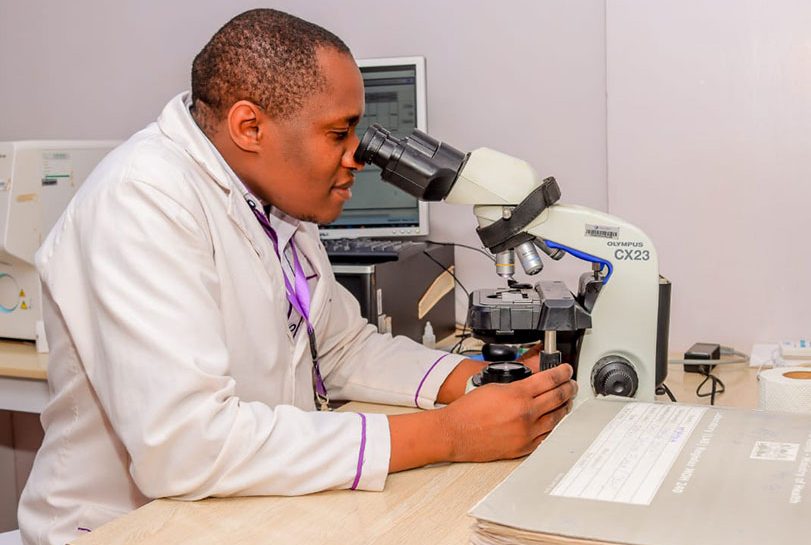
At Isegeretoto Hospital, laboratory services support healthcare professionals in investigating a range of medical conditions.
5. Kidney Problems
Your kidneys play an important role in removing waste from the blood, balancing fluids and supporting several other functions in the body.
Kidney problems can sometimes develop without obvious symptoms, particularly in the early stages.
People with conditions such as diabetes or high blood pressure may have an increased risk of kidney disease.
Depending on your health status, a healthcare professional may recommend blood or urine tests to assess kidney function or investigate symptoms.
Early identification of kidney problems can allow appropriate medical management and monitoring.
6. Other Chronic Health Conditions
Regular healthcare visits can also provide an opportunity to identify or monitor other conditions.
Depending on your age, sex, family history and individual risk factors, your healthcare provider may discuss screening or assessment for conditions such as:
- High cholesterol
- Obesity
- Liver problems
- Thyroid disorders
- Heart-related risk factors
- Certain cancers
- Mental health concerns
- Other chronic diseases
Not every person requires every test.
The right health check-up is one that is appropriate for you.
Who Should Get Regular Health Check-Ups?
Health check-ups are important for adults of different ages, but the type and frequency of assessment may vary.
You may particularly benefit from regular medical assessments if you:
- Have a family history of certain diseases
- Have previously been diagnosed with a chronic condition
- Are overweight or obese
- Have high blood pressure
- Have diabetes or are at increased risk of diabetes
- Smoke or use tobacco
- Drink alcohol heavily
- Have limited physical activity
- Are pregnant
- Take long-term medication
- Are experiencing unexplained symptoms
Children, adolescents, adults and older people also have different healthcare needs. Speak with a qualified healthcare professional about the appropriate check-ups for your age and circumstances.
What Happens During a Routine Health Check-Up?
Your healthcare professional will first want to understand your health history and any concerns you may have.
Depending on the reason for your visit, your assessment may include:
Medical History
You may be asked about:
- Previous illnesses
- Current medications
- Allergies
- Family medical history
- Lifestyle
- Previous surgeries
- Current symptoms
Physical Assessment
Your healthcare professional may check measurements such as:
- Blood pressure
- Pulse
- Weight
- Temperature
- Other relevant physical findings
Laboratory Tests
Where appropriate, your healthcare provider may request blood, urine or other laboratory investigations.
The tests recommended should be based on your individual health needs rather than simply doing every available test.
Further Investigations
Depending on your symptoms and assessment, your healthcare provider may recommend additional investigations such as ultrasound or other diagnostic procedures.
What If My Results Are Normal?
A normal health assessment is good news—but it does not mean you should never return for another check-up.
Your health changes throughout life. Age, lifestyle, pregnancy, family history and other factors can change your healthcare needs.
Regular healthcare provides an opportunity to monitor those changes over time.
It also gives you an opportunity to discuss healthy habits that can support your wellbeing.
What If a Problem Is Detected?
Do not panic if a screening test produces an abnormal result.
An abnormal screening result does not necessarily mean that you have a serious disease. Your healthcare professional may recommend additional tests or assessments to understand what the result means.
If a condition is confirmed, your healthcare team can explain the available treatment and monitoring options.
The important thing is not to ignore the result or attempt to treat yourself without professional guidance.
Prevention Starts With Awareness
Your health is one of the most valuable things you have, and taking care of it should not begin only when you become seriously ill.
Small actions—checking your blood pressure, monitoring blood sugar when appropriate, maintaining a healthy weight, eating a balanced diet, staying physically active and attending recommended medical appointments—can form an important part of a healthy lifestyle.
Regular health assessments can help you understand where you are today and what you can do to protect your health in the future.
Take Charge of Your Health at Isegeretoto Hospital
At Isegeretoto Hospital, we provide healthcare services designed to support patients through different stages of their healthcare journey.
Our services include:
- Outpatient Services
- Laboratory Services
- Pharmacy
- Inpatient Care
- Mother & Child Clinic
- Maternity Services
- Ultrasound
- Minor Procedures
- Counselling
If you have not had a medical check-up recently, consider speaking with a qualified healthcare professional about an assessment appropriate for your age, health history and individual needs.
Don’t Wait Until You Feel Sick
You do not always have to wait for symptoms before paying attention to your health.
Book a health consultation at Isegeretoto Hospital and take a proactive step towards understanding and protecting your health.
Isegeretoto Hospital — Quality Care, When You Need It.
working and which ones aren’t you can make the changes needed to get the best results out of your business.