A Complete Guide to Antenatal Care: What Every Expectant Mother Should Know
 by

Pregnancy is a remarkable journey filled with excitement, anticipation and many questions. From the first positive pregnancy test to the day you welcome your baby, taking care of your health is one of the most important things you can do for yourself and your baby.
Antenatal care (ANC) refers to the healthcare and support a woman receives during pregnancy. Regular antenatal visits allow healthcare professionals to monitor the health and development of both mother and baby, identify potential complications early and provide guidance throughout pregnancy.
Whether this is your first pregnancy or you have been through pregnancy before, good antenatal care can help you prepare physically, emotionally and practically for childbirth and parenthood.
When Should You Start Antenatal Care?
One of the most common questions expectant mothers ask is: When should I start antenatal visits?
The answer is simple: as soon as you know or suspect that you are pregnant, contact a qualified healthcare provider and arrange your first antenatal visit.
Starting antenatal care early gives healthcare professionals an opportunity to establish your health history, confirm the pregnancy where appropriate, estimate the pregnancy stage and identify any factors that may require closer monitoring.
Your first visit may include discussions about:
- Your medical and pregnancy history
- Previous pregnancies and deliveries
- Any existing medical conditions
- Medications you are taking
- Your nutritional needs
- Your expected delivery date
- Lifestyle and health habits
- Tests and examinations that may be recommended
Do not wait until you are visibly pregnant before seeking antenatal care. Early care provides an opportunity to begin monitoring your pregnancy from the beginning.
Why Are Regular Antenatal Visits Important?
Pregnancy does not affect every woman in exactly the same way. Some pregnancies progress without major complications, while others may require additional monitoring or treatment.
Regular antenatal visits allow healthcare professionals to monitor changes over time rather than assessing your health only once.
During these visits, your healthcare provider may monitor:
- Your blood pressure
- Weight and general wellbeing
- Baby’s growth and development
- Your symptoms and concerns
- Pregnancy-related complications
- Your nutritional needs
- Your mental and emotional wellbeing
Regular visits also give you an opportunity to ask questions.
If you experience a new symptom, are worried about your baby’s movements or have concerns about your pregnancy, your antenatal appointment provides an opportunity to discuss them with a qualified healthcare professional.
What Tests May Be Done During Pregnancy?
The specific tests recommended during pregnancy can vary depending on your stage of pregnancy, medical history, symptoms and healthcare provider’s assessment.
Common antenatal investigations may include blood and urine tests, blood pressure monitoring and other assessments that help healthcare professionals understand the health of the mother and baby.
Depending on your circumstances, your healthcare provider may recommend tests for conditions such as:
- Anaemia
- Blood group and Rh status
- HIV
- Syphilis
- Hepatitis B
- Urinary infections
- Diabetes during pregnancy
- Other conditions based on your medical history and risk factors
Your healthcare provider will explain which tests are appropriate and what the results mean.
Do not be afraid to ask questions about any test recommended during pregnancy. Understanding your healthcare helps you participate actively in decisions about your wellbeing and that of your baby.
The Role of Ultrasound During Pregnancy
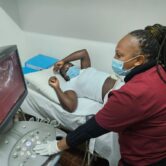
Ultrasound is an important part of pregnancy care when recommended by a qualified healthcare professional.
An ultrasound uses sound waves to create images of structures inside the body. During pregnancy, it can help healthcare professionals assess aspects of the pregnancy and monitor the baby’s development.
Depending on the stage of pregnancy and clinical need, an ultrasound may help assess:
- The location of the pregnancy
- Pregnancy development
- Fetal growth
- Fetal heartbeat
- The number of babies
- Placental location
- Other features of the pregnancy
The timing and number of ultrasound examinations should be determined according to clinical need and the guidance of your healthcare provider.
At Isegeretoto Hospital, ultrasound services can form part of comprehensive maternal care, helping expectant mothers access appropriate investigations alongside antenatal services.
Nutrition During Pregnancy
What you eat during pregnancy matters because your body needs additional nutrients to support your health and your baby’s growth.
A healthy pregnancy diet should generally include a variety of nutritious foods, such as:
- Vegetables and fruits
- Whole grains and other healthy sources of carbohydrates
- Beans, peas and other legumes
- Eggs, fish, meat or other appropriate protein sources
- Milk and other dairy products where suitable
- Healthy sources of fats
Your healthcare provider may also recommend specific supplements during pregnancy, depending on your individual needs.
Avoid taking medications, herbal products or supplements without discussing them with a qualified healthcare professional. Not everything that is marketed as “natural” is necessarily safe during pregnancy.
If you are experiencing persistent nausea, vomiting, poor appetite or difficulty eating, discuss it with your healthcare provider.
Stay Hydrated
Adequate fluid intake is also important during pregnancy.
Drink safe, clean water regularly and pay attention to signs of dehydration, particularly if you are experiencing vomiting or diarrhoea.
Your healthcare provider can advise you about your individual fluid and nutritional needs.
Warning Signs During Pregnancy You Should Not Ignore
Although many pregnancy symptoms are normal, some symptoms require prompt medical assessment.
Contact your healthcare provider or seek medical attention if you experience concerning symptoms such as:
- Vaginal bleeding
- Severe abdominal or pelvic pain
- Severe or persistent headache
- Significant changes in vision
- Difficulty breathing
- Convulsions or loss of consciousness
- Severe swelling accompanied by other concerning symptoms
- Fever or feeling seriously unwell
- Persistent vomiting that prevents you from keeping fluids down
- Leakage of fluid from the vagina
- Reduced or unusual fetal movement later in pregnancy
- Regular painful contractions before your expected delivery date
Do not wait for your next routine antenatal appointment if you experience a concerning symptom.
If symptoms are severe or life-threatening, seek emergency medical care immediately.
Preparing for Delivery
Antenatal care is not only about monitoring the pregnancy. It is also an opportunity to prepare for childbirth.
As your pregnancy progresses, discuss your birth plan with your healthcare provider.
Consider preparing:
1. Where You Will Deliver
Choose a healthcare facility where qualified healthcare professionals can monitor you and provide appropriate maternity care.
2. Transport
Plan how you will reach the hospital when labour begins or if you develop an emergency.
Do not wait until labour starts to figure out transportation.
3. Financial Preparation
Plan for expected healthcare costs and consider what you may need for unexpected medical circumstances.
4. Essential Items
Prepare the items you and your baby may need during your hospital stay.
5. Emergency Contacts
Keep important telephone numbers easily accessible, including your healthcare provider, hospital and emergency contacts.
6. A Birth Support Person
Where appropriate and permitted by the healthcare facility, identify someone who can support you during labour and delivery.
Why Delivering Under Qualified Healthcare Professionals Matters
Giving birth is a natural process, but complications can sometimes develop unexpectedly.
A qualified healthcare team can monitor the mother and baby during labour, identify concerning changes and respond appropriately when intervention is required.
Depending on the circumstances, professional maternity care can provide access to:
- Maternal and fetal monitoring
- Skilled assistance during labour
- Management of pregnancy and delivery complications
- Newborn assessment
- Appropriate emergency care
- Referral when specialized treatment is required
This does not mean that every delivery will experience complications. Rather, having trained professionals present provides an important layer of safety should an unexpected problem occur.
After Delivery: Antenatal Care Becomes Postnatal Care
Healthcare should not stop immediately after your baby is born.
The period following childbirth is important for both mother and baby. Postnatal care allows healthcare professionals to monitor recovery, identify complications, support breastfeeding and provide guidance on newborn care.
Mothers should also have an opportunity to discuss:
- Post-delivery recovery
- Breastfeeding
- Family planning
- Emotional wellbeing
- Nutrition
- Newborn health
- Warning signs requiring medical attention
Your healthcare provider can advise you on the appropriate schedule for postnatal follow-up.
Every Pregnancy Deserves Professional Care
Pregnancy is a journey that deserves attention, preparation and support.
Starting antenatal care early, attending recommended appointments, following professional medical advice, maintaining a healthy diet and knowing the warning signs can help you make informed decisions throughout pregnancy.
Most importantly, do not be afraid to ask questions. Your healthcare provider is there to help you understand what is happening to your body and how you can protect your health and that of your baby.
Antenatal and Maternity Care at Isegeretoto Hospital
At Isegeretoto Hospital, we are committed to supporting mothers throughout their pregnancy journey.
Our maternal and child health services are designed to provide expectant mothers with access to professional care, monitoring and appropriate investigations throughout pregnancy.
Our services include:
- Antenatal care
- Mother & Child Clinic
- Maternity services
- Ultrasound
- Laboratory services
- Pharmacy services
- Postnatal care and follow-up
Whether you are newly pregnant, attending a routine antenatal appointment or preparing for delivery, our healthcare team is available to guide you through the different stages of your pregnancy.
Start Your Pregnancy Journey With Professional Care
Are you expecting a baby? Don’t wait until complications arise before seeking care.
Book your antenatal visit at Isegeretoto Hospital and give yourself and your baby the benefit of professional care throughout pregnancy.
Isegeretoto Hospital — Caring for Mothers. Protecting New Beginnings.
Medical Disclaimer
This article is provided for general health education and does not replace consultation, examination or treatment by a qualified healthcare professional. Pregnancy care should be individualized according to the mother’s health, pregnancy history and clinical needs. If you experience severe or concerning symptoms during pregnancy, seek medical attention promptly.